27.11.19

50 favourite albums of the 2010s

Couldn't resist putting this together after reading a few lists and becoming quite bored at how Beyonce, Kanye, Kendrick, Frank, Taylor, Vampire Weekend, Bon Iver and Arcade Fire have locked down all the top numbers. I guess that's inevitable when individual lists are amalgamated and the artists at the centre of the Venn Diagram rise to the top. Personal lists are often more interesting, and the one below is entirely personal, rather than an attempt to rank according to what is a "better" or more deserving work. The top spot is awarded out of loyalty more than anything – and there is a faint echo of the Kieron Gillen rules in the list, where an artist's overall work pushes up an individual album. But these things are always a reflection of your own prejudices. These have been mine over the last ten years.

Johnny Foreigner - Mono No Aware
Dawn Richard - Goldenheart
Wiley - It's All Fun And Games Till vol. 1 / Twitter Downloads 2012
Purity Ring - Shrines
The Hotelier - Home, Like Noplace Is There

The Beths - Future Me Hates Me
Robyn - Body Talk (alternative tracklist)
tUnE-yArDs - w h o k i l l
American Football - American Football (LP3)
SZA - Ctrl

Dawn Richard - Redemption
Gulfer - Dog Bless
Clairo - Immunity
Charly Bliss - Guppy
Skee Mask - Compro

Johnny Foreigner ‎– You Thought You Saw A Shooting Star... EP
Japanese Breakfast - Soft Sounds From Another Planet
Illuminati Hotties - Kiss Yr Frenemies
Ariana Grande - Yours Truly
Charli XCX - Pop 2

fka twigs - LP1
Dawn Richard - Blackheart
Katy B - On a Mission
Waxahatchee - American Weekend
Kehlani - You Should Be Here

Future - Monster / Beast Mode / 56 Nights
The Ophelias - Almost
Julianna Barwick - The Magic Place
Jacquees & Dej Loaf - Fuck A Friend Zone
Rustie - Glass Swords

Ramadanman - Ramadanman EP
Danny Brown - XXX
Proc Fiskal - Insula
Night Slugs - Allstars Volume 1
Tinashe - Aquarius

J Hus - Common Sense
Octo Octa - Where Are We Going?
Kero Kero Bonito - Time 'n' Place
pronoun - i'll show you stronger
EMA - Past Life Martyred Saints

Ciara - Basic Instinct
Sleigh Bells - Treats
E.M.M.A - Blue Gardens
Sharon Van Etten - Epic
Congo Natty - Jungle Revolution

Bat for Lashes - The Haunted Man
Jhené Aiko - Souled Out
Sam Binga - Wasted Days
Dom - Sun Bronzed Greek Gods
Gold Panda - Lucky Shiner

20.10.19

The Sun's Burial

A scattershot, cast-of-hundreds feature Oshima made at the time of Naked Youth, where the scope widens from doomed lovers to the doomed society they inhabit. The film is set in the slums of Osaka and investigates the various ways desperate people sell themselves and each other to get by. Poverty leads inexoriably to gangsterism, and two activites in particular that are loaded with symbolic portent – selling your blood and selling your ID documents. The loss of identity implied by the latter is given a cruel twist in that the ringleader behind the scam is a military vet who keeps talking about the restoration of the Japanese Empire and an inevitable conflict with America and Russia. For many this is a compelling myth, so when his hypocricy is exposed, the people riot and decide to burn the little they have down to the ground.


The central character in the film is Hanako (played by Kayoko Honoo making the most of her angular eyeliner) – a hard-as-nails hustler who plays off one gang against another. She becomes infatuated with a naive new yakuza recruit, but their love affair is brief and ends bloodily, trampled by a literal train that may signify the brutal forces of progress transforming the country. Hanako's arc is mostly an excuse for Oshima to frame beautiful young actors against the oppressive Osaka skyline, where the sun is choked off by factory smoke and enclosed by the skeletons of new buildings. The plot is barely comprehensible, but the film's message is nonetheless strikingly direct.

29.9.19

Strange Days

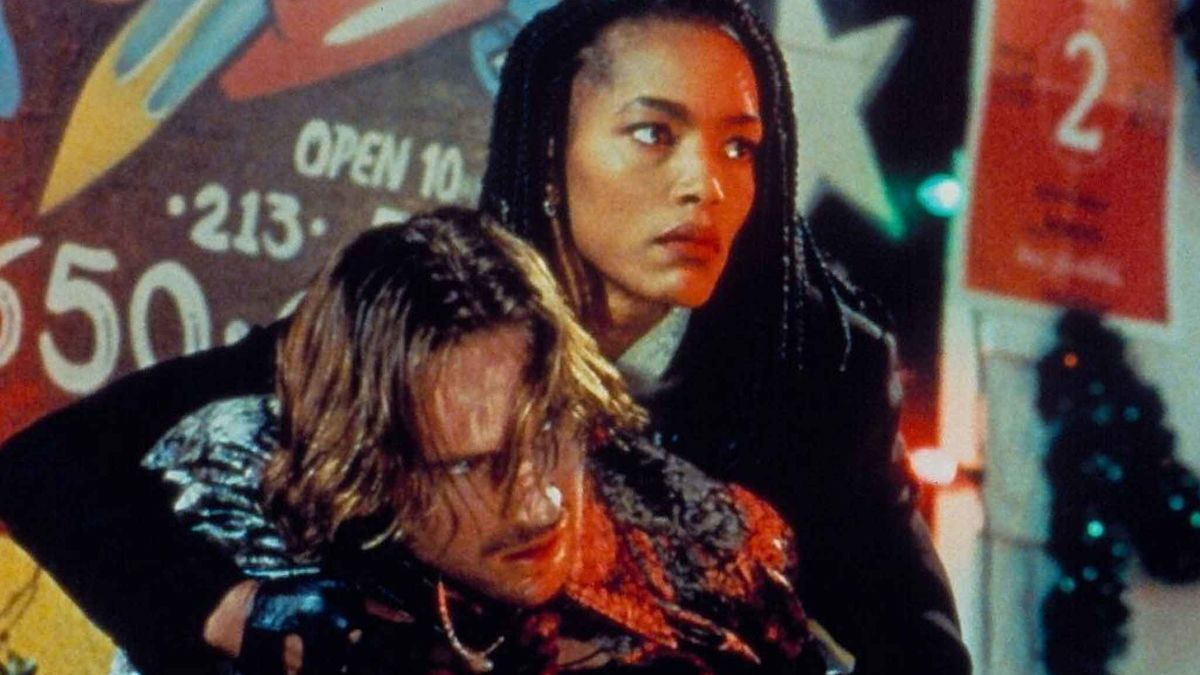
A sprawling, stylish and very expensive 'tech-noir' from Kathryn Bigelow, from a story and script by James Cameron. It was released in 1995 and bombed massively – apparently almost destroying her career in the process. But history and hindsight should restore it as one of Bigelow's best and most idiosyncratic films.

The story revolves around a technology called SQID, which allows people to record and 'playback' their entire sensorium, and allows Bigelow to innovate in the use of first-person action sequences. The technology is military but available on the black market, and the protagonist and anti-hero Ralph Fiennes is a peddler of thrills and smut to wealthy clients. Fiennes is a user and abuser as well, and the film positions him at the midway point between Angela Bassett's purist adhearance to 'real life', and the villain's complete decent to nihilism and virtual depravity.


Hitchcock's Vertigo is a clear antecedent, with Bassett playing Midge to Fiennes's Scottie obsessing over Juliette Lewis's Madeleine. Bigelow allows Fiennes to come to his senses, and ends her film on a moment of hope for humanity – with a kiss between Bassett and Fiennes that broke ground in the portrayal of interracial romantic relationships. Fiennes is brilliant (and quite sexy) in the role, and Bassett is cool and fierce. Both actors together bring a lot of soul to an otherwise rather grubby film.

Because Strange Days doesn't shirk from rubbing the sleaze and violence of its pre-millennial tension society almost literally in our faces. We've pushed further than Hitchcock in Psycho – there are fewer cutaways now. Post-Halloween, audiences are permitted into the minds and perspectives of rapists and serial killers. But the film's references to past cinema history flattens out any sense of outrage you might feel. The point Bigelow seems to be making is that films have always had this dark undercurrent to them – presenting the possibility of experiencing forbidden things, whether violent or sexual.


The other motivating force behind the film is Bigelow's observations of the 1992 Los Angeles riots, which led her to depict her future LA as a police state with the black community on the brink of revolution. What's interesting is that the supposed conspiracy at the heart of government to oppress the people turns out to be a mirage – instead the renegade cops turn out to be a bunch of bad apples. Indeed, Bassett's salvation is placed in the hands of a very traditional authority figure – an old, white, male police commissioner, who proves incorruptable in the end and arrests the perps. Ultimately the system remains in place. the revolution is held in check and the New Year party keeps going. The tension between the two sides remains in place, and like 'playback' vs real life, the film refuses to throw its weight behind one or the other.

21.9.19

Summer with Monika

One of Bergman's early works, and mostly an excuse for Harriet Andersson to be as sexy as possible. Bergman recounts that several filmmakers were racing to work with her, though not many actually valued her abilities as an actress. Bergman did, and his main recollection of the film is that it was cheap to make and fun to shoot (and he did also manage to get in her pants, kicking off a four-year affair).


Andersson's Monika is a force of nature – cooped up in the city, she is at her happiest where social expectations are lifted and she can escape the poverty and abuse in her family by going sailing around the archipelago with a good looking boy in his father's boat. Bergman underlines the nature theme at the beginning by having one of the drinkers in the pub remark that the young people's friskiness is a sign that spring is coming. We then cycle over the summer, autumn and winter of a relationship, where the demands of adulthood prove too much for Monika and she has to escape once more.


The film feels longer than its short running time. The pace is languid – with a great deal of set-up and denouement occuring in long theatrical takes allowing for plenty of insight into the families and jobs of the two lovers. Monika doesn't come out of it too well in the final third – too restless to be a homemaker but too lazy to work, she wants to enjoy her youth. But perhaps we should blame the environment she is in – caught at the crossroads between the glamour of Hollywood and the constraints of tradition, where female ambition is confined to bringing up babies, but the temptations of films, bars and sex linger outside. Her abandonment of her two families is spurred by moments of physical abuse – the men in her life also don't have safe ways of expressing their frustration. Everyone is both a victim and a perpetrator.

The French new wave embraced the film, and given its theme of young lovers throwing off the shackles of society perhaps that's not surprising. But just as important was the moment where Andersson has her cigarette lit by a lothario at the bar while her husband is away, leans back and then looks directly into the lens, almost daring the viewer to condemn her impropriety. In Bergman's account that was her idea, and the first time this had happened in the history of cinema. Bergman holds the shot, but it is only a spark of transgressive brilliance in an otherwise slight film.

2.9.19

Dazed and Confused

The 70s were evidently a crueller time in which to grow up, judging by the glee with which Richard Linklater portrays the hazing rituals of American teenagers on the last day of school. The film takes an anthropological stance – taking account of the paddlers' pleasure and the paddled's pain, but it does give the most vicious of the senior bullies a comeuppance at the hands of the freshmen.

The film reminded me a lot of this year's Mektoub, My Love, in that it's a nostalgia fest for being young and beautiful, but also a sprawling investigation into the knotty relationships between a vast group of characters – their little squabbles and flirtations, and the overlapping friendship-groups they coalesce around. Linklater is less of a letch, and more of a romantic, than Abdellatif Kechiche, which is a mercy given that his kids are younger. But that youth and romanticism also mean that the conflicts and choices faced by the characters are more straightforward.


The film makes two big statements. The first is a speech by Adam Goldberg's overtalkative nerd Mike (very much a Linklater stock character) yearning for a moment of carefree abandon where the promise of tomorrow isn't sacrificed for the pleasures of the present. The earnestness of the speech is punctured by Mike then preposterously revealing a secret desire to dance, which may be a standout line but is too absurd to be funny. The willingness to delay gratification is a marker of success for children and adults, but Linklater's point is that sometimes people need a break from the daily grind and an opportunity to run riot. The true value of life is to be found in the carnivalesque atmosphere of the film – where the rules are turned upside down and you're free to do whatever you want.

The second big statement is basically the same as the first. The film is given some shape by Pink's dilemma of whether to remain on the football team and renounce drink and drugs. His older friend (a magisterial Matthew McConaughey in his breakout role) gives a big speech about the importance of living your own life and not kowtowing to authority, advice Pink follows with uncertain results.


But the most subtle aspect of the film is how both these instances of rebellion are couched in a context where everyone is being pressured by everyone else to fit in. Pink receives constant representations from his friends on the team begging him not to quit. Mike's idea of cutting loose is to go to a party and get in a fight – a very traditional view of how cool dudes spend their time. The contradiction at the heart of the film is that being dazed and confused isn't all that subversive when everyone around you is trying to get you dazed and confused.

31.8.19

"One of the troubles with being over-articulate, with having a vocabulary more refined than your emotions, is that every turn in the conversation, every switch of posture, opens up an estate of verbal avenues with a myriad side-turnings and cul-de-sacs – and there are no signposts but your own sincerity and good taste, and I've never had much of either. All I know is that I can go down any one of them and be welcomed as a returning lord." – Martin Amis, The Rachel Papers

20.8.19

Wild Things

Probably the last gasp of the 90s erotic noir, and while the film looks sleazy on the surface, it's actually redeemed by the increasingly ridiculous plot twists that start popping up half-way through, which show that basically no one is what they appear to be on the surface. Characters who you are set up to believe are victims turn into master manipulators, and vice versa. And while the portrayal of Denise Richards and Neve Campbell is exploitative, the film refuses to condescend to them, and hands ultimate victory to the latter.


The film is notorious for the scenes in which Richards and Campbell make out, although the film is at its queerest when Kevin Bacon surprises Matt Dillon in the shower – and there's a brief flash of full-frontal male nudity. Apparently, and enticingly, Dillon was supposed to join Bacon in the shower and kiss him, revealing a sexual relationship between the two men. Depressingly the financiers quashed the idea, although Bacon (who is also the film's producer) was pretty attached to it. Ultimately it's left as subtext, but it would have been a neat mirroring of the relationship between Richards and Campbell, and would enforce the prevailing mood that sexuality is a mutable thing in the Florida heat.


The director John McNaughton wanted to make the setting as beautiful as possible, to contrast with the beastly nature of the people within it. The film takes great pains to establish the contrast between the swamps swimming with alligators and the wealthy society living next door, with Matt Dillon's character sashaying comfortably through both environments. The metaphor is probably most acute with the crocodile tamer McNaughton keeps returning to – a nod to the attractions and dangers of playing with wild things. The film's conceit is that humanity has not sloughed off the evolutionary imperative to eat or be eaten – if anything our ability to dissemble makes us more ruthless. It's telling that McNaughton wanted to make a sequel with the kids of the characters who emerged on top in this film, underlining the macabre notion that the survival of the fittest would create ever more gruesome human beings.

15.8.19

Scream

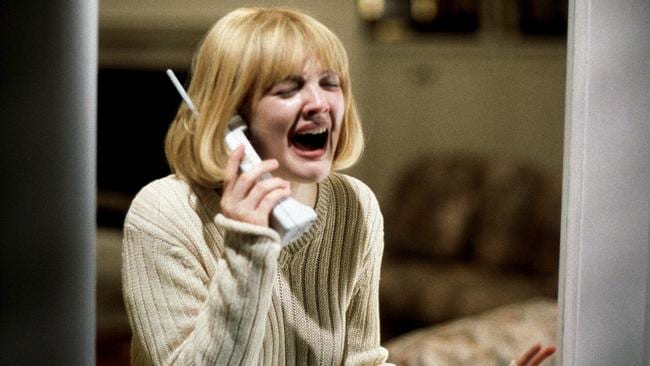
There is a strain of nastiness to Wes Craven that I find a little unsettling. For the pivotal initial sequence in Scream, Drew Barrymore had told him about an instance of animal cruelty that had horrified and upset her, the memory of which Craven then used during the shoot to elicit a more convincing performance. That requires a lot of trust between director and actor, and in fairness, Craven acknowledges and is grateful for Barrymore's courage in making herself vulnerable in front of the camera. But having a director resort to such methods is still a bit unnerving.


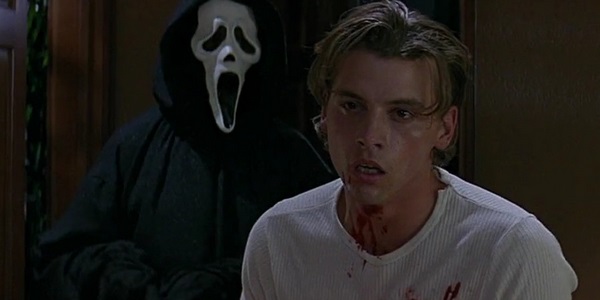
The script was shopped around and could have gone in a bunch of ways, but with Craven attached it ends up as a genuinely scary movie – at least until the killer is unmasked and the film skips into absurdity. The irony of characters in a slasher film being aware of the conventions of slasher films is heavily present throughout, but the meta element becomes almost deafening in the scenes between Neve Campbell's 'final girl' Sidney and her boyfriend Billy (played by Skeet Ulrich as if he's channelling Johnny Depp). The latter speaks almost exclusively in film metaphors, so we really should have seen it coming.


The killer's motives are a joke, and used as just another comment on horror films (it's scarier if you don't know apparently). In fact the real motive is something Craven has been exploring throughout his career – the derangement of not being able to differentiate between reality and fiction. The money shot (horror films are in their way just as formulaic as porn) that encapsulates Scream is the TV falling on the killer's head and frying his brain. These kids are exactly what the censors of video nasties fear – that watching this stuff can turn you into a violent maniac. And the fact that it was accused of inspiring copycat murders perfectly rounds off the film's satirical project.